Skin health, explained calmly

Study room one · barrier basics

Inside the Layer That Keeps You Comfortable

Before any serum or acid, there is a thin, clever wall. Learn how it works and most skincare decisions make themselves.

lecture notes

Bricks, mortar and a very thin wall

The skin is usually described in three layers: the epidermis on top, the dermis beneath it, and the fatty subcutis below that. The barrier we talk about in skincare lives at the very top of the epidermis, in a structure called the stratum corneum. It is made of corneocytes — flattened cells that have lost their nucleus and filled up with the tough protein keratin — stacked in roughly 15 to 20 layers.

Between those cells sits a highly organised lipid matrix. By weight it is roughly half ceramides, about a quarter cholesterol and around 10 to 20 percent free fatty acids. These lipids arrange themselves in layered sheets, a little like the pages of a closed book, which is what makes the barrier so hard for water to escape through. Researchers including Peter Elias at the University of California, San Francisco, popularised the "bricks and mortar" model in the 1980s, and it remains a useful mental picture.

Natural moisturising factor

Inside the corneocytes is a mix of water-attracting molecules known as natural moisturising factor, or NMF. It includes amino acids, urea, lactic acid and a compound called PCA, mostly derived from the breakdown of a protein called filaggrin. NMF keeps the cells plump and flexible. People with certain filaggrin gene variations — common in atopic eczema — produce less of it, which helps explain why their skin dries and cracks so easily.

The acid mantle

Healthy skin surface pH sits around 4.7 to 5.5. That mild acidity is not decoration: the enzymes that assemble ceramides work best in it, and it discourages the growth of some unwanted bacteria. Very alkaline cleansers, including many traditional bar soaps with a pH near 9 to 10, can raise surface pH temporarily. Healthy skin recovers within hours; already-irritated skin recovers more slowly.
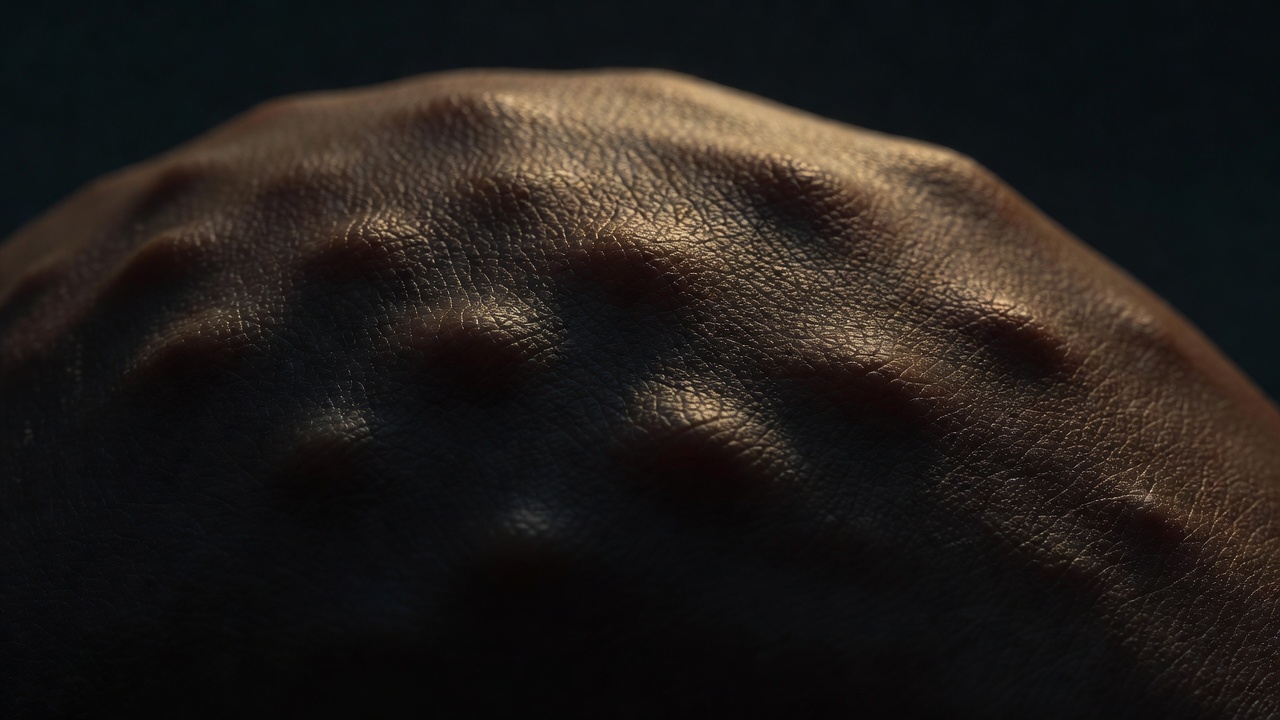
Macro photograph of skin texture in deep shadow with warm light grazing the surface

Seen up close, healthy skin texture is uneven by nature. Fine lines, pores and small variations in tone are normal anatomy, not flaws to be corrected.

a measurement

TEWL

Transepidermal water loss is how scientists measure barrier health: the more water escaping per hour, the weaker the barrier.

a helper

Sebum

Oil from sebaceous glands adds a thin protective film and carries vitamin E to the surface.

Signs your barrier needs a rest

A compromised barrier tends to announce itself in a fairly consistent way. Skin feels tight shortly after cleansing. Products that never used to sting suddenly do, sometimes even plain moisturiser. You may see patchy flaking alongside oiliness, redness that lingers, or a rough, sandpaper texture. Breakouts can increase too, because irritated skin is more reactive overall.

  • Stinging or burning when applying familiar products
  • Tightness within minutes of washing
  • Flaking, especially around the nose and mouth
  • Redness that does not settle within a day
  • A sudden increase in sensitivity to sun or wind

The common culprits

Over-exfoliation is the most frequent cause we hear about: stacking a glycolic toner, a retinoid and a scrub within the same week. Hot water, harsh foaming cleansers, long showers, cold dry winter air, central heating and frequent hand-washing all add up. Fragrance and some essential oils can sensitise skin over time. None of these is dangerous on its own; it is the combination that tips the balance.

How to help it recover

Barrier repair is mostly subtraction. Pause exfoliating acids and retinoids for one to two weeks. Switch to a mild, low-foam cleanser and lukewarm water. Use a moisturiser that contains a mix of humectants (such as glycerin), skin-identical lipids (ceramides, cholesterol, fatty acids) and a light occlusive (such as petrolatum or dimethicone). Research from Elias's group suggested that lipid mixtures in roughly physiological ratios support repair better than ceramides alone. Keep wearing sunscreen. Then reintroduce actives one at a time, starting two or three nights a week.

If redness, cracking, weeping or intense itching persist beyond a couple of weeks despite a gentle routine, that is no longer a barrier-care question. Read our notes on when skin asks for a doctor.

Why this saves money

Once you understand that the barrier wants gentle cleansing, steady moisture and daily sun protection, you stop needing a shelf of rescue products. A well-formulated pharmacy moisturiser and a broad-spectrum sunscreen will do more for most people than any trending serum. Next, see how this translates into a simple daily routine.